Navigating Nationwide Car Inventory: A Buyer’s Guide
- AM Funding
- Mar 14
- 4 min read

Finding the right car can feel overwhelming, especially with the vast array of options available across the country. Whether you're a first-time buyer or looking to upgrade your current vehicle, understanding how to navigate nationwide car inventory is crucial. This guide will help you make informed decisions, streamline your search, and ultimately find the perfect car for your needs.
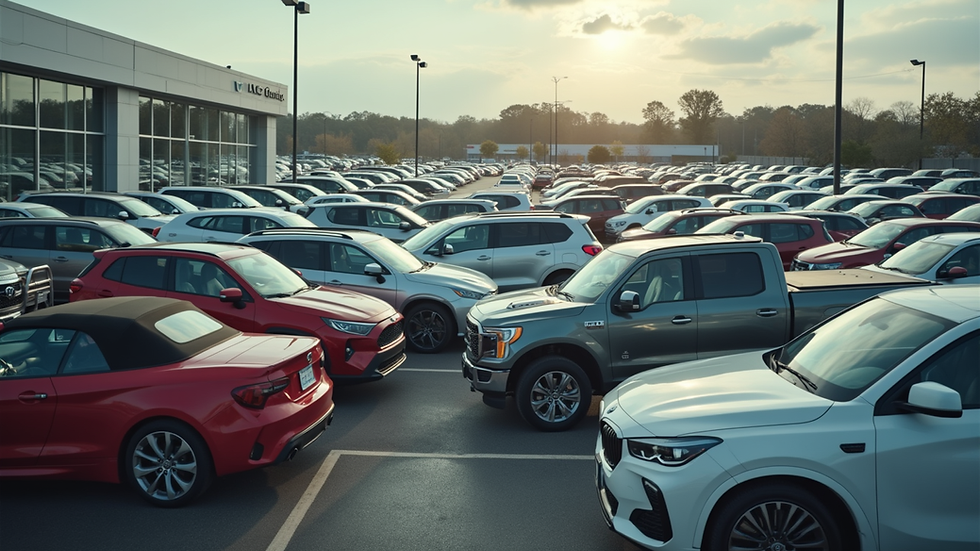
Understanding Nationwide Car Inventory
Nationwide car inventory refers to the total number of vehicles available for sale across the country. This includes new and used cars from dealerships, private sellers, and online platforms. The inventory can vary significantly based on factors such as location, demand, and market trends.
Types of Inventory
New Cars
New cars are typically sold by authorized dealerships. They come with warranties and the latest features but may have a higher price tag.
Used Cars
Used cars are pre-owned vehicles that can be found at dealerships or from private sellers. They often come at a lower price, but it’s essential to check their history and condition.
Certified Pre-Owned (CPO) Cars
CPO cars are used vehicles that have been inspected and certified by the manufacturer. They usually come with extended warranties and are a great option for buyers looking for reliability.
Where to Find Nationwide Car Inventory
Online Marketplaces
Websites like Autotrader, Cars.com, and CarGurus allow you to search for cars based on your preferences, including make, model, price range, and location.
Dealership Websites
Many dealerships have their own websites where they list their current inventory. This can be a good way to find local options.
Social Media Groups
Local buy/sell groups on platforms like Facebook can also be a resource for finding used cars from private sellers.
Factors to Consider When Buying a Car
When navigating nationwide car inventory, several factors should influence your decision:
Budget
Determine how much you can afford to spend. This includes not just the purchase price but also insurance, maintenance, and fuel costs.
Vehicle Type
Consider what type of vehicle suits your lifestyle. Do you need a compact car for city driving, or a larger SUV for family trips?
Fuel Efficiency
With fluctuating gas prices, fuel efficiency can significantly impact your overall cost of ownership. Look for cars that offer good mileage.
Reliability
Research the reliability ratings of different makes and models. Websites like Consumer Reports provide valuable insights into vehicle performance and longevity.
Resale Value
Some cars depreciate faster than others. If you plan to sell or trade in your vehicle in the future, consider models known for retaining their value.
Researching Your Options
Once you have a clear idea of what you want, it’s time to start researching. Here are some steps to follow:
Read Reviews
Look for reviews from both experts and other buyers. Websites like Edmunds and Kelley Blue Book offer comprehensive reviews and ratings.
Compare Prices
Use online tools to compare prices for similar vehicles in your area. This will help you identify fair market value and avoid overpaying.
Check Vehicle History Reports
For used cars, always request a vehicle history report. Services like Carfax or AutoCheck can provide information on past accidents, title issues, and service history.
Schedule Test Drives
Never buy a car without test driving it first. This is your chance to see how it feels on the road and whether it meets your expectations.
Negotiating the Purchase
Once you’ve found the right car, it’s time to negotiate. Here are some tips:
Be Prepared
Know the fair market value of the car you want. This gives you leverage during negotiations.
Start Low
Begin your offer lower than what you’re willing to pay. This gives you room to negotiate upwards.
Be Polite but Firm
Maintain a respectful tone during negotiations. Being aggressive can backfire and may lead to a less favorable deal.
Consider Financing Options
If you’re financing your purchase, shop around for the best interest rates. Dealerships may offer financing, but it’s often beneficial to compare with banks or credit unions.
Finalizing the Deal
After reaching an agreement, ensure all paperwork is in order. Here’s what to check:
Review the Contract
Read through the purchase agreement carefully. Ensure all terms match what you discussed.
Understand Fees
Be aware of any additional fees, such as documentation fees, taxes, and registration costs.
Get Insurance
Before driving off, make sure you have insurance coverage in place. This is a legal requirement in most states.
Post-Purchase Considerations
After purchasing your vehicle, there are still a few steps to take:
Schedule Regular Maintenance
Keep your car in good condition by following the manufacturer’s maintenance schedule. This can help prevent costly repairs down the line.
Keep Records
Maintain a record of all services and repairs. This can be helpful for resale and warranty claims.
Stay Informed
Keep an eye on recalls and service bulletins related to your vehicle. This ensures you stay updated on any potential issues.
Conclusion
Navigating nationwide car inventory doesn’t have to be a daunting task. By understanding your options, doing thorough research, and following a structured approach, you can find the right vehicle that meets your needs and budget. Remember to take your time, ask questions, and don’t rush into a decision. Happy car hunting!
Comments